
Spec work that won the room
The Slipper Clutch
A retro rock speakeasy in Downtown LA. I built the whole site before anyone asked me to, then used it as the pitch.
- Role
- Designer and engineer
- Year
- 2025
- Org
- Axlecore
Building the pitch instead of writing one
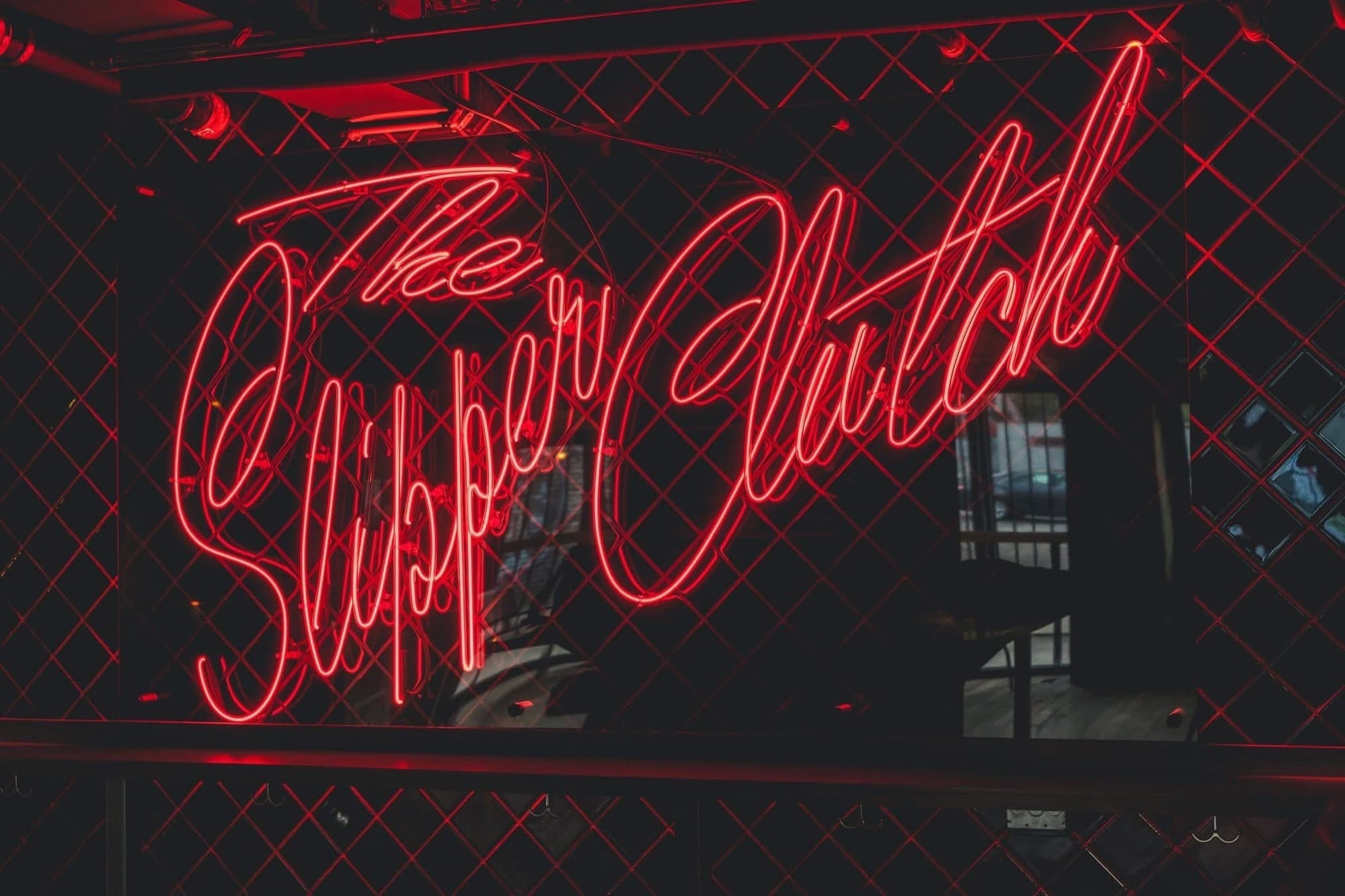
The Slipper Clutch is a retro rock speakeasy at 351 South Broadway: two levels, a full bar, a vintage arcade and pool tables, and a live calendar running rock, punk and indie, ticketed upstairs and free downstairs. The kind of place a stock hospitality template actively works against.
Rather than propose, I built. The site shipped as a live concept with a banner and a modal saying exactly what it was: a design concept made for them, with a way to get in touch. No mockups, no deck. A working site at a URL they could open on their phone in the bar.
That is a real bet. The work is done before there is any commitment to pay for it. It is also the fastest way past the part of a pitch where everyone imagines a different website.
What the site had to do
Events are the entire reason a person visits a venue site, so the events table came first and everything else arranged itself around it. An age gate that reads as part of the design rather than an obstacle. A preloader, because the imagery is heavy and a venue site that opens grey looks closed.
The atmosphere problem is the interesting one. A bar sells a feeling, and a site that lists facts about a bar sells nothing. Most of the work went into imagery, type and pacing carrying the room's character before a visitor reads a single word.
The part that outlived the launch
A venue site is only as good as its events list, and an events list is only as good as the last time someone updated it. The people who actually know what is playing on Friday are running a bar, not editing a CMS.
So the useful thing I built is not on the site. It is a Google Workspace add-on that lets staff manage event listings straight from a Google Sheet, adding a show, changing a time, refreshing the calendar, with no database access, no login to anything unfamiliar, and no developer in the loop.
Meeting people in the tool they already use beats teaching them a better one. A custom admin panel would have been more satisfying to build and would have been used exactly as long as I was around to answer questions about it.
What it turned into
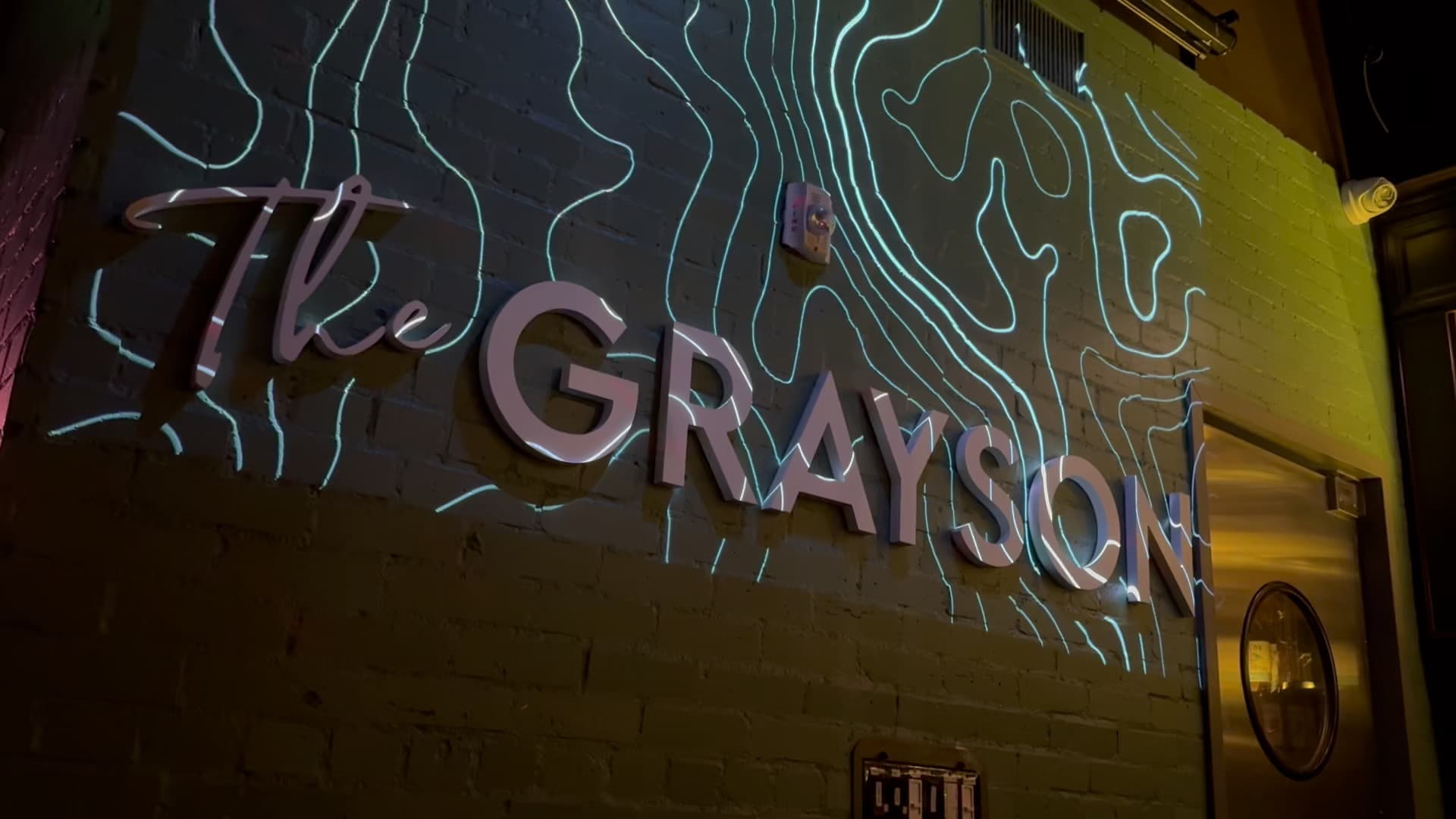
The concept became the engagement, and the engagement became a second one, The Grayson DTLA, for the same client. Five components carried across, and more usefully, so did knowing how a venue site actually gets used.
What I would tell anyone considering spec work: it only pays when the work itself is the argument. A deck describing this site would not have won it.
Built with
- Next.js
- React
- TypeScript
- CSS
- Google Apps Script
- Google Sheets API
- Vercel